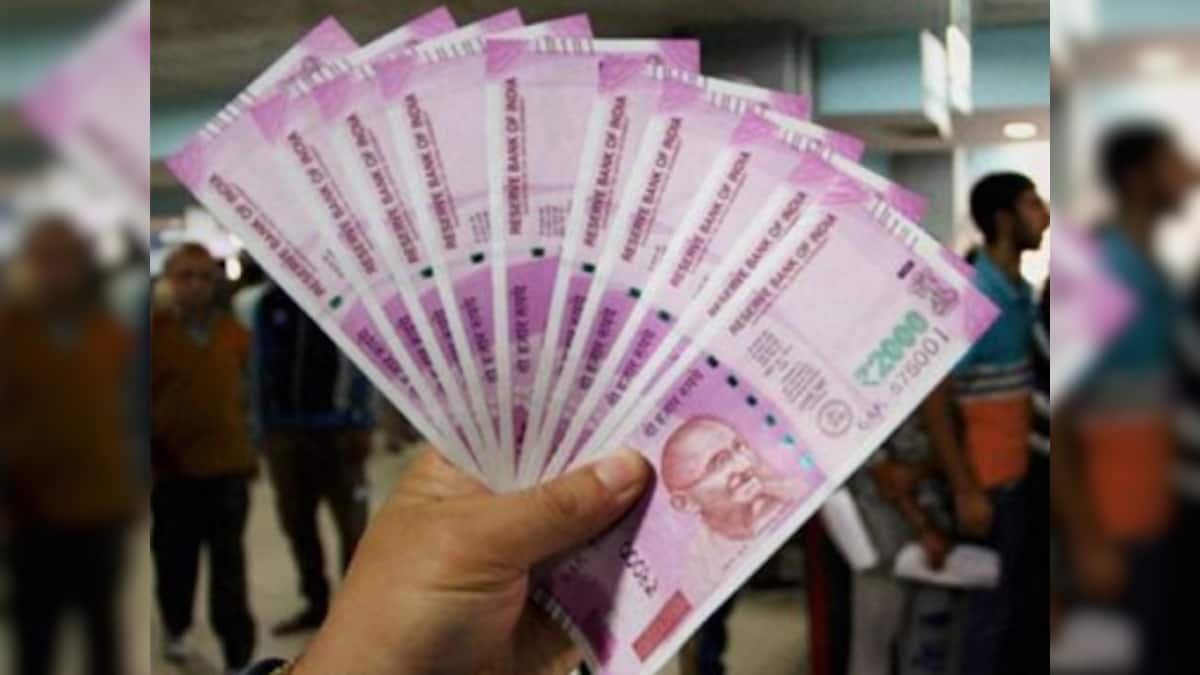
India Slashes Interest Rates to 5.25% Amid Low Inflation: A Strategic Move for Growth
In a significant development for the Indian economy, the Reserve Bank of India (RBI) has once again demonstrated its proactive monetary policy by cutting its benchmark interest rate by a crucial 25 basis points. This move, bringing the repo rate down to a new low of 5.25%, underscores a strategic approach to bolster economic growth amidst a landscape of remarkably low inflation. The decision, made on December 5 by a unanimous vote of the RBI board members following a three-day policy meeting, signals a clear intent to support various sectors and ensure sustained economic momentum. This pivotal cut is not just a reaction to current economic indicators but also a forward-looking strategy that sets the stage for a period where
The Reserve Bank of India's Bold Move: A Closer Look at the 5.25% Cut
The latest reduction to 5.25% marks a continuation of the RBI's accommodative stance, aiming to infuse liquidity and stimulate demand within the economy. RBI Governor Sanjay Malhotra, in a statement following the policy meeting, articulated the rationale behind this unanimous decision. He highlighted that the central bank had reached its conclusion due to a significant easing of inflation, which has been hovering near zero, coupled with an expectation that economic growth might soften "somewhat" in the near future. This preemptive measure is designed to mitigate any potential slowdowns and reinforce the underlying strengths of the Indian economy. The immediate impact of such a cut reverberates through the financial system, influencing everything from lending rates of commercial banks to investment decisions by businesses.
The persistent low inflation environment provides the RBI with ample headroom to implement such cuts without stoking price pressures. In fact, a period of sustained
Decoding the Drivers: Why India's Economy Supports Lower Rates
India's unique economic situation, characterized by strong growth impulses coexisting with remarkably contained inflation, has provided the RBI with the flexibility to pursue an aggressive interest rate cutting cycle. The "near-zero inflation" mentioned by Governor Malhotra is a critical component of this equation. Low inflation enhances the purchasing power of consumers and reduces the cost of doing business, creating a fertile ground for expansion. When inflation is benign, the real cost of borrowing decreases, making investments more attractive.
Furthermore, while GDP growth in Q2 has shown resilience, the central bank’s forward-looking assessment indicates a potential softening, which necessitates proactive measures. This isn't a sign of alarm, but rather a strategic cushioning move to ensure that the growth trajectory remains robust. The interplay of strong underlying growth fundamentals, coupled with the absence of significant inflationary pressures, empowers the RBI to use monetary policy as a potent tool for economic management. This strategic alignment ensures that the economy can navigate global uncertainties while maintaining a domestic growth agenda. The government's fiscal policies, complementing the RBI's monetary easing, further amplify the positive impact on various sectors, from boosting consumption to accelerating infrastructure projects.
A Long-Term Horizon: What "Rates to Stay Low for a Long Time" Means for India
Perhaps even more significant than the current rate cut is the long-term guidance provided by the RBI Governor. In an interview with the Economic Times, Governor Malhotra indicated that interest rates in India are expected to remain "around this level or lower" for a "long time," barring any unforeseen shocks. This powerful statement provides considerable clarity and stability for economic planning and investment decisions across the country. It signals a new era where
Impact on Consumers and Borrowers
For the average Indian consumer, a sustained period of
The affordability of credit can also spur demand for big-ticket items, such as housing and automobiles, which are crucial indicators of economic health. Real estate, in particular, often sees a significant boost when interest rates are low, making property ownership more accessible and stimulating construction activity. This cascading effect generates employment and contributes to overall economic vitality. However, it's crucial for consumers to borrow responsibly, understanding their repayment capacity despite the allure of lower EMIs.
Implications for Businesses and Investors
Businesses, from small and medium enterprises (SMEs) to large corporations, stand to gain immensely from reduced borrowing costs. Cheaper credit facilitates expansion plans, capital expenditure, and investment in new technologies, thereby boosting productivity and competitiveness. This environment encourages entrepreneurs to take calculated risks, leading to job creation and economic diversification. Sectors heavily reliant on credit, such as manufacturing, infrastructure development, and technology, will find it easier to finance their projects, contributing significantly to India's growth story.
For investors, the landscape becomes more nuanced. While lower interest rates might reduce returns on traditional fixed-income instruments like fixed deposits, they often create a more attractive environment for equity markets. Companies benefit from lower financing costs, which can translate into improved profitability and higher stock valuations. Investors might consider re-evaluating their portfolios, potentially allocating more towards equities or other growth-oriented assets. Practical advice for investors: Diversify your portfolio to balance risk and reward. While fixed deposits may offer lower returns, they still provide safety and liquidity. Explore opportunities in sectors that are likely to benefit directly from economic expansion and cheaper credit, such as banking, real estate, and consumer durables.
Beyond the Headlines: Broader Economic Implications and Future Outlook
The consistent message from the RBI is that
India is currently positioning itself as a resilient and attractive investment destination. The confluence of a strong domestic market, ongoing structural reforms, and a proactive monetary policy positions the country favorably on the global economic stage. The government's fiscal policies, aimed at boosting infrastructure spending and promoting domestic manufacturing, work in tandem with the RBI's accommodative monetary stance to provide a comprehensive stimulus package for the economy. This synergy is critical for navigating the complexities of the global economy and achieving India's ambitious growth targets.
For individuals and businesses navigating this era of
Conclusion
The Reserve Bank of India's decision to slash interest rates to 5.25% amidst low inflation is a powerful statement of its commitment to fostering robust economic growth. By making borrowing more affordable and signaling a long-term commitment to keeping